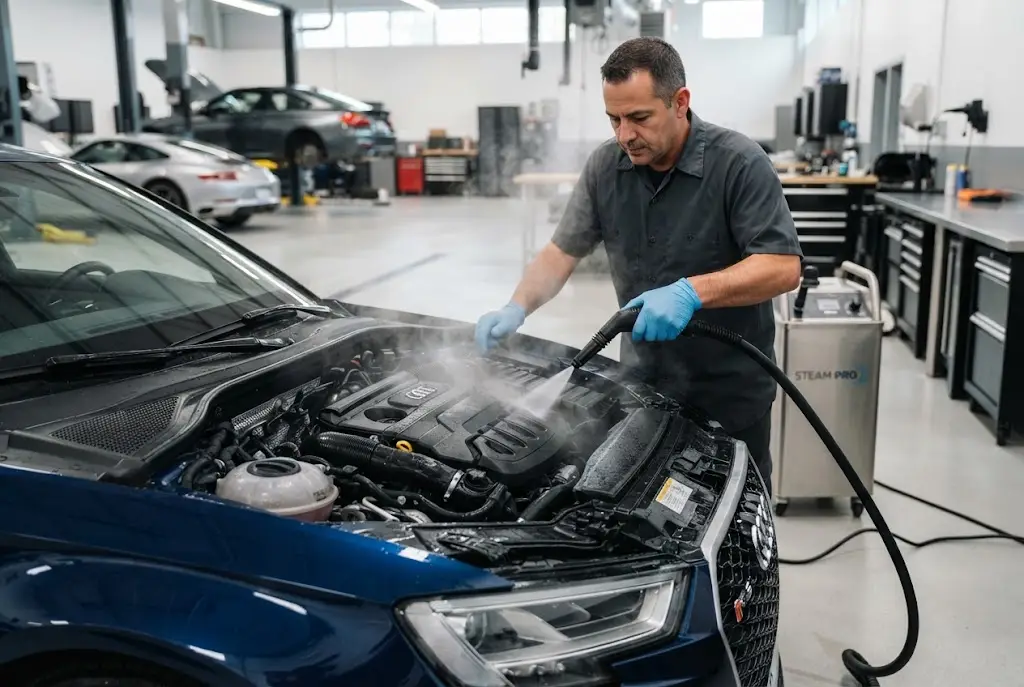
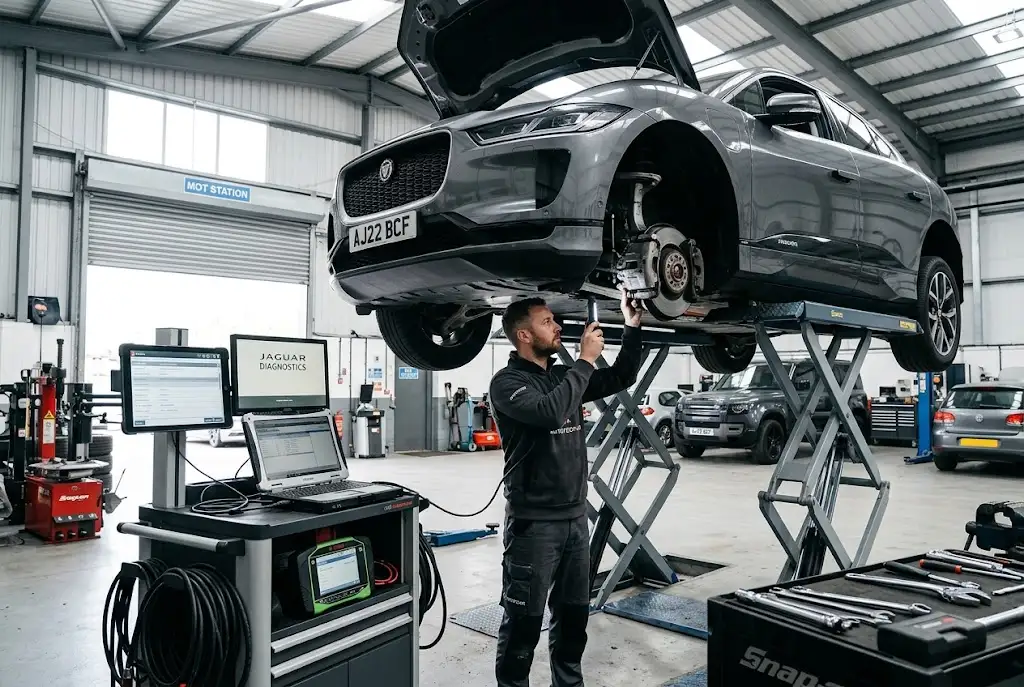
Auto services cover a wide range of work that keeps vehicles safe, reliable, roadworthy and usable, from routine servicing and inspections to repairs, diagnostics and preventative maintenance. In the UK, the importance of this sector is reflected in the size and age of the vehicle fleet, the number of MOT tests carried out and the extensive network of businesses supporting motorists.
Understanding the facts behind auto service and repair can help drivers make better maintenance decisions. It also provides useful insight into how the UK’s automotive aftermarket is changing as vehicles become older, more technologically advanced and increasingly electrified.
What Are Auto Services?
Auto services are professional services designed to maintain, inspect, diagnose, repair or improve the condition of a vehicle. They can range from straightforward oil and filter changes to complex electrical diagnostics, brake repairs, suspension work and component replacement.
Common auto services include routine servicing, interim and full services, brake inspections, tyre checks, battery testing, air-conditioning servicing, wheel alignment, engine diagnostics and mechanical repairs. Some workshops also specialise in particular vehicle makes, systems or types of repair.
It is useful to distinguish servicing from repairs. Servicing is generally planned maintenance carried out according to a manufacturer’s recommendations or the vehicle’s condition. Repairs, on the other hand, address faults, failures or damaged components that need attention.
For a broader explanation of planned maintenance, see our guide to car servicing and how service schedules typically work.
Why Auto Services Matter in the UK
The UK’s vehicle fleet creates a substantial and continuing need for maintenance and repair. According to the Society of Motor Manufacturers and Traders, more than 42 million vehicles were in use on UK roads in 2025. The average car was also 9.7 years old, while 45.7% of the car parc was more than 10 years old.
An ageing vehicle fleet does not automatically mean every car requires frequent repairs. However, older vehicles generally remain an important part of the aftermarket because wear, mileage and age can increase the need for inspection, replacement parts and corrective work.
The UK aftermarket is also a significant part of the wider automotive economy. SMMT reports that the aftermarket supported 346,000 jobs and included more than 25,000 MOT, service and repair sites, based on its 2022 industry data.
These figures demonstrate why auto care services remain relevant even as the vehicle market changes. Drivers still need places where vehicles can be inspected, maintained, diagnosed and repaired throughout their ownership lifecycle.
Auto Services Facts and Statistics
Several figures help illustrate the scale and changing nature of the UK’s vehicle servicing and repair environment.
- The UK had 42,549,649 vehicles in use in 2025, according to SMMT Motorparc data.
- The number of cars in use reached approximately 36.68 million in 2025.
- The average UK car was 9.7 years old in 2025.
- Approximately 45.7% of the car parc was aged over 10 years.
- More than 25,000 MOT, service and repair sites formed part of the UK aftermarket based on SMMT’s 2022 data.
- The wider aftermarket supported approximately 346,000 jobs according to the same SMMT industry figures.
These automotive facts show that vehicle maintenance is not limited to newer cars. A large proportion of the UK fleet consists of vehicles that have already accumulated years of use, making routine checks and timely repairs an important part of ownership.
UK Vehicle Servicing Statistics and Market Activity
Vehicle servicing statistics should be considered alongside wider automotive industry data rather than viewed in isolation. The aftermarket includes franchised dealers, independent garages, specialist workshops, mobile mechanics, parts distributors and other businesses.
Modern workshops are also dealing with a broader range of technologies. Conventional petrol and diesel vehicles increasingly share the road with hybrids and battery-electric vehicles. As a result, technicians may need expertise in electronic systems, advanced diagnostics, driver-assistance technologies and high-voltage components as well as traditional mechanical systems.
This shift does not remove the need for auto repair services. Instead, it changes the skills, equipment and diagnostic processes required to deliver them effectively.
For a closer look at routine ownership responsibilities, our vehicle maintenance guide can help explain the relationship between scheduled maintenance, preventative checks and vehicle lifespan.
How Vehicle Maintenance Supports Auto Services
Preventive maintenance is one of the most important areas within auto care services. Instead of waiting for a component to fail, drivers can follow recommended maintenance schedules and pay attention to warning signs.
Typical maintenance activities may include checking engine oil and coolant levels, inspecting tyres, monitoring brake condition, replacing filters, checking lights and examining components for visible wear. The exact requirements vary according to the vehicle, engine, mileage, driving conditions and manufacturer recommendations.
Keeping maintenance records can also make vehicle ownership easier. A documented history helps demonstrate when work was completed and can provide useful information to the next owner when a vehicle is sold.
Regular maintenance should not be confused with the MOT test. An MOT assesses whether a vehicle meets specific legal safety and environmental standards at the time of testing. It is not a replacement for routine servicing or mechanical maintenance.
Auto Repair Services and Common Failure Areas
Auto repair services become necessary when a vehicle develops a fault or a component reaches the end of its useful service life. Repairs can involve mechanical, electrical, braking, suspension, steering, exhaust, lighting or other vehicle systems.
UK MOT data provides useful insight into some areas where defects are identified during testing. For cars and light vehicles covered by the relevant MOT classes, common defect categories include lamps and electrical equipment, suspension, brakes, tyres and visibility-related items.
During the 2024–25 financial year, the overall initial failure rate for the relevant car and light-vehicle MOT class was 28.08%. In the first quarter of 2025–26, the corresponding initial failure rate was 27.24%.
These figures should not be interpreted as a direct measure of repair frequency. An MOT is an inspection against defined standards, while servicing and repair activity covers a much wider range of work. Nevertheless, MOT data provides a useful snapshot of vehicle condition when cars arrive for testing.
Our dedicated auto repair services article explores repair-related statistics, workshop activity and repair trends in greater detail.
Auto Service Trends Shaping the UK Market
Older Vehicles Staying on the Road
One notable trend is the increasing age of the UK car parc. When vehicles remain in use for longer, owners may place greater emphasis on maintenance, repairs and cost-effective servicing rather than replacing the vehicle immediately.
Growth of Electrified Vehicles
Electrification is another important development. SMMT reported that 1.9 million zero-emission vehicles were in use in the UK in 2025, while 4.6 million vehicles were electrified when hybrids were included.
Electric and hybrid vehicles have different maintenance requirements from conventional petrol and diesel cars. Some traditional service items may be reduced or eliminated, while electrical systems, software, batteries, thermal management and specialised safety procedures become increasingly important.
More Advanced Diagnostics
Modern vehicles rely heavily on electronic control units and sensors. Consequently, diagnostics has become an increasingly important part of professional auto service. A warning light may indicate a problem that cannot be accurately identified through a basic visual inspection alone.
Changing Workshop Models
The aftermarket is no longer limited to traditional garage models. Independent repair centres, mobile services, manufacturer-approved facilities and specialist workshops all contribute to the servicing ecosystem. Digital booking, online parts marketplaces and increasingly sophisticated diagnostic equipment are also changing how customers access vehicle services.
Auto Services vs Routine Car Servicing
The terms auto services, car servicing and auto repair are sometimes used interchangeably, but they can describe different levels of work.
Car servicing generally refers to planned maintenance performed at specified intervals. Auto repair focuses on correcting faults or replacing failed or worn components. Auto services is the broader term and can encompass servicing, repairs, inspections, diagnostics and other professional vehicle-care work.
Understanding these differences makes it easier for drivers to identify what their vehicle actually needs rather than treating every workshop visit as the same type of service.
MOT Testing and Auto Services
MOT testing is closely connected to the vehicle-care industry but serves a specific legal purpose. The Driver and Vehicle Standards Agency publishes MOT testing data covering test results, failure categories, testing stations and authorised testers.
For example, official data shows that suspension, lamps and electrical equipment, brakes, tyres and visibility are among the defect categories recorded for cars and light vehicles. However, a vehicle can pass an MOT and still require routine servicing or maintenance.
Drivers should therefore view an MOT as one part of responsible vehicle ownership rather than a substitute for ongoing maintenance.
Our MOT and service guide provides a dedicated look at the relationship between MOT testing, servicing and vehicle compliance.
Why Automotive Facts Matter to Drivers
Reliable automotive facts help motorists understand the wider context behind everyday ownership decisions. Statistics about vehicle age, MOT failures, aftermarket activity and service trends can reveal how the UK vehicle landscape is changing.
For example, an older national fleet means maintenance remains important even while newer electric and hybrid vehicles become more common. At the same time, increasing vehicle complexity means that professional diagnostics and appropriately trained technicians are becoming more important.
For individual drivers, the practical lesson is straightforward: follow the manufacturer’s maintenance recommendations, respond promptly to warning signs and keep useful service records. Preventive attention can help identify developing problems before they become more disruptive or expensive.
The Future of Auto Services in the UK
The UK auto service market is likely to continue evolving alongside the vehicles it supports. Longer vehicle lifecycles, electrification, connected technology, advanced driver-assistance systems and increasingly sophisticated diagnostics will all influence workshop operations.
At the same time, the fundamentals of vehicle ownership will remain familiar. Cars need inspections, maintenance, replacement parts and repairs throughout their useful lives. The difference is that the work required to keep them operating safely is becoming more technically diverse.
For drivers, staying informed is therefore increasingly valuable. Understanding servicing schedules, maintenance requirements, repair indicators and MOT responsibilities can make vehicle ownership more predictable and help motorists make better-informed decisions.
Final Thoughts on Auto Services
The UK’s automotive aftermarket is a large and evolving sector supported by millions of vehicles and thousands of service and repair businesses. The combination of an ageing vehicle fleet, continued demand for maintenance and the transition towards electrified and technologically advanced vehicles is creating new opportunities and challenges for the industry.
Ultimately, auto services extend far beyond fixing a broken component. They encompass the ongoing maintenance, inspection, diagnosis and repair work that helps keep vehicles safe, reliable and suitable for everyday use. By understanding the facts and trends behind the sector, UK motorists can approach servicing and maintenance with greater confidence.
For more data-led information, continue exploring our wider auto services facts and statistics coverage alongside our detailed guides to servicing, vehicle maintenance, repairs and MOT testing.
For official UK MOT information and regularly updated testing statistics, consult the GOV.UK MOT testing data.