A well-planned UK road trip is one of the best ways to see Britain. Within a single day of driving you can move from coastline to mountains, from a historic city to a village that feels a century away. The secret is not the route alone — it is preparing the car, the budget and the stops before you set off. This guide walks through every stage of planning a driving tour of the UK, from choosing your route to getting your vehicle ready for long days on the road.
Choosing Your UK Road Trip Route
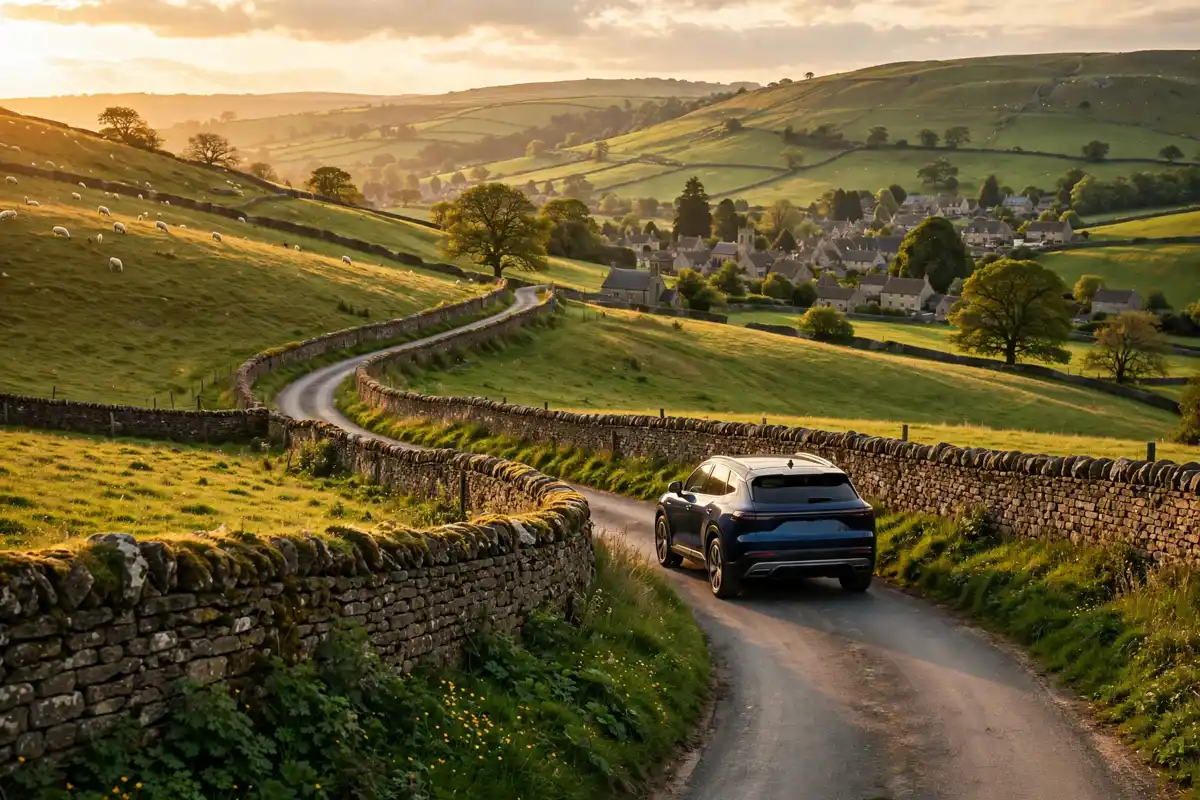
Start with the kind of trip you want, not just the distance you can cover. Britain rewards slower travel: a 150-mile day with three good stops beats a 400-mile motorway slog almost every time. Popular approaches include a coastal loop, a national parks tour, or a historic cities route linking places such as Bath, York and Edinburgh. Whatever you choose, build the route around a handful of anchor stops and leave gaps between them. The unplanned village, viewpoint or farm shop is often the part people remember most.
Check your draft route against realistic driving times rather than raw mileage. Rural roads in Wales, the Lake District and the Scottish Highlands are beautiful but slow, and single-track roads with passing places take patience. As a rule of thumb, plan fewer miles per day than you would on the motorway network, and avoid arriving somewhere new after dark when you are tired.
Getting Your Car Ready for the Journey
A road trip puts sustained strain on tyres, brakes and fluids, so a pre-trip check is essential rather than optional. Start with the tyres: tread depth, pressures (including the spare or repair kit) and any sidewall damage. Our guide to tyre services and the key facts every UK driver should know explains what to check and when to replace rather than repair. Correct pressures also improve fuel economy and handling on long runs.
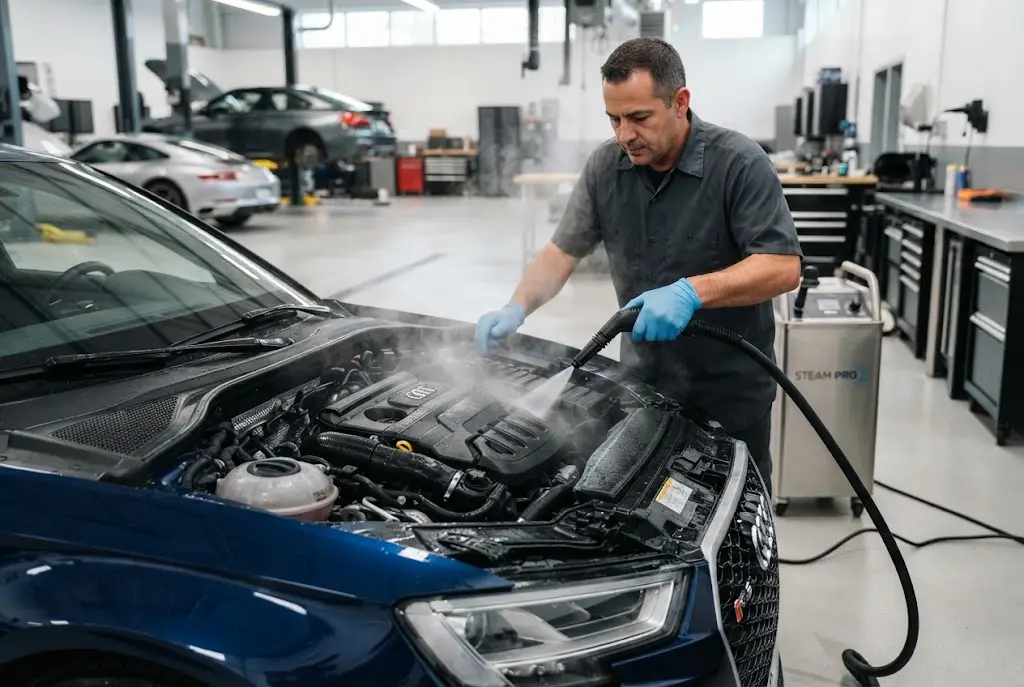
Next, book a professional inspection if your car has not been checked recently. A vehicle inspection covers brakes, lights, suspension and fluid levels, and it is far cheaper to fix a worn component at your local garage than at a motorway services markup. If your car pulls to one side or the steering wheel sits off-centre, get the wheel alignment checked too — misalignment accelerates tyre wear and makes long drives tiring.
Electric car drivers need one extra layer of planning: charging stops. Map chargers along your route and at your overnight stops, and read up on EV servicing and battery care before you go so you know what healthy range looks like for your model in real conditions.
Budgeting for Fuel, Stays and Surprises
The main costs of a UK road trip are fuel or charging, accommodation, food and attractions. Fuel is usually the largest single item, and prices vary noticeably between motorway services and supermarket forecourts in towns, so filling up away from the motorway saves money over a long tour. If you are buying a car with touring in mind, our explainer on car finance and how UK buyers budget for a purchase helps you weigh the monthly cost against running costs.
Always hold back a contingency amount for the unexpected — a puncture, a replacement battery or a night in a hotel when weather closes in. Drivers who budget for surprises travel more relaxed, and a small reserve turns a potential trip-ending problem into a minor detour. Marketplaces such as the one covered in our AutoTrader UK facts guide are also worth browsing before a big trip if your current car is nearing the end of its reliable life.
Packing and On-the-Road Essentials
Pack for the car as well as for yourself. A basic kit should include a phone charger and power bank, a torch, bottled water, a high-vis vest, a warning triangle and any regular medication. In winter or in upland areas, add warm layers and check the weather forecast for your route each morning. Download offline maps for rural areas where the mobile signal drops — much of the Highlands and mid-Wales has patchy coverage, and a paper road atlas is a worthwhile backup.
Plan your driving days around daylight and energy rather than the clock. Two to three hours of driving, then a proper break, keeps concentration high. Share the driving if you can, and treat scenic stops as part of the journey rather than delays to it.
Driving Rules and Local Differences to Remember
A UK road trip crosses more rule changes than many visitors expect. Scotland has a lower drink-drive limit than England and Wales, so the safest approach anywhere is not to drink at all before driving. Speed limits change with vehicle type and road class, and many rural roads carry the national speed limit even where that speed would be unwise — the limit is a maximum, not a target. Watch for average-speed cameras on longer motorway stretches and for clean air zones in several cities, which can charge older vehicles for entering the centre.
Fuel and charging availability also thins out in remote areas. In the far north of Scotland and parts of mid-Wales, petrol stations can be many miles apart and may not open late, so top up earlier than you normally would rather than running the tank low. Card payments are accepted almost everywhere, but a small amount of cash still helps for rural car parks, honesty-box farm stalls and the occasional card machine that is out of order.
Making the Most of the Trip
The best UK road trips mix headline sights with everyday Britain: a market town on market day, a coastal path walk, a pub lunch, a heritage railway. National parks and areas of outstanding natural beauty are natural anchors, but the drives between them — through the Cotswolds, along the Northumberland coast or across the Yorkshire Dales — are attractions in themselves.
Finally, look after the car on the way round. Check tyre pressures and fluid levels every few days, listen for new noises, and do not ignore warning lights because you are far from home. A little attention each day keeps a good trip on the road — and gives you a car that is ready for the next one.