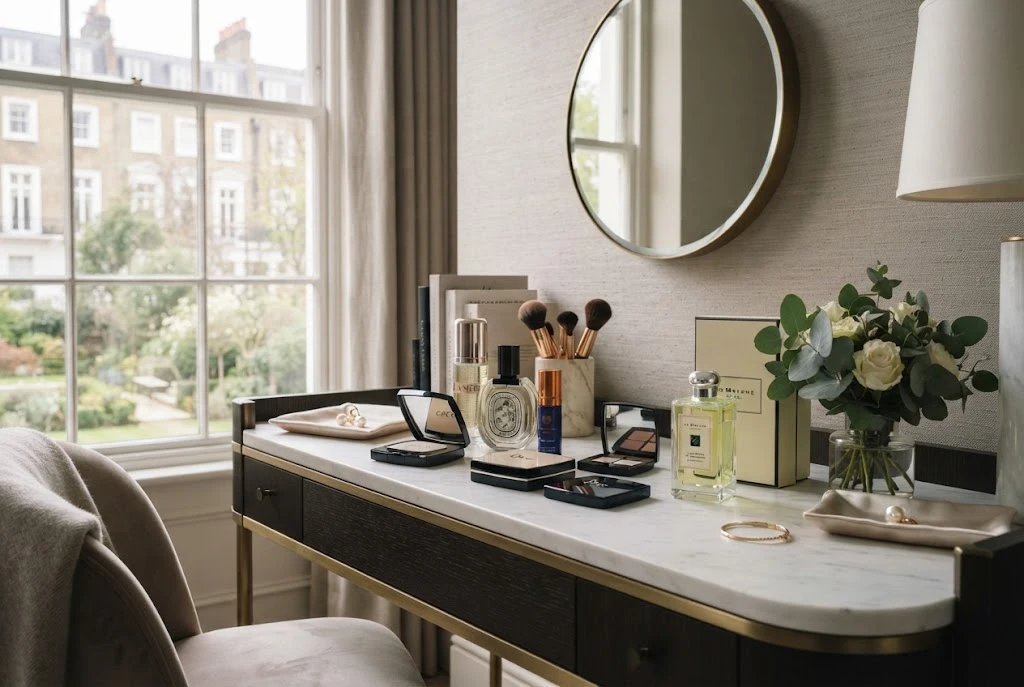
Luxury beauty represents more than expensive skincare, makeup or fragrance. It is a combination of product quality, craftsmanship, presentation, expertise and the experience surrounding a purchase. In the UK, luxury beauty appeals to consumers who want carefully developed formulas, distinctive packaging, sophisticated fragrances and a more considered approach to personal care.
The category covers a wide spectrum, from luxury skincare and luxury makeup to high-end fragrance and specialist beauty treatments. However, premium pricing alone does not make a product luxurious. The strongest luxury beauty brands create value through formulation, design, service, heritage, innovation and the overall experience they offer.
What Is Luxury Beauty?
Luxury beauty describes premium products and experiences positioned above the mainstream beauty market. These can include sophisticated skincare, high-end cosmetics, fragrances, haircare, professional treatments and personalised beauty services.
The definition is subjective. One consumer may associate luxury with rare ingredients and elegant packaging, while another may value advanced formulations, expert consultations or the heritage of a particular brand.
What these experiences often share is attention to detail. From the texture of a cream to the design of a bottle, luxury beauty tends to place emphasis on the complete consumer journey rather than focusing solely on the basic function of a product.
Why Luxury Beauty Continues to Attract Consumers
Beauty products can fulfil practical needs, but luxury products often add emotional and experiential value. Purchasing a premium fragrance, for example, can be about much more than simply smelling good. The scent, bottle design, presentation and association with a particular lifestyle can all influence the buying decision.
The same applies to luxury skincare. Consumers may appreciate a carefully developed formula, elegant texture, sophisticated packaging and the feeling of incorporating a premium ritual into their daily routine.
This combination of functionality and experience helps explain why luxury beauty remains an important part of the wider beauty market.
Luxury Skincare: Where Performance Meets Experience
Luxury skincare is one of the most established areas of premium beauty. Products can include cleansers, serums, moisturisers, eye treatments, masks and specialist formulations designed for different skincare routines.
Consumers considering premium skincare should look beyond price and packaging. Ingredients, formulation, product suitability and how consistently the product can be used are more useful considerations.
What Makes Luxury Skincare Different?
Premium skincare brands may invest heavily in product development, packaging design, sensory characteristics and brand presentation. Some also build their identity around particular ingredients, technologies, research approaches or specialist expertise.
However, a higher price does not automatically guarantee better results for every individual. Skin type, concerns, preferences and tolerance all matter. A premium moisturiser that does not suit someone’s skin is unlikely to be a worthwhile purchase simply because it carries a luxury price tag.
For that reason, consumers should evaluate luxury skincare based on the overall proposition rather than assuming that cost alone indicates effectiveness.
Luxury Makeup and the Premium Cosmetics Experience
Luxury makeup combines cosmetic performance with design and presentation. Foundations, lip products, eyeshadows, blushers and other cosmetics can become part of a broader premium beauty experience.
Packaging has an especially important role in this category. A well-designed compact or lipstick case can influence how a product feels before it is even applied. Texture, finish, fragrance and ease of use can further contribute to the perception of quality.
Luxury makeup can also appeal to consumers who enjoy beauty as a form of personal expression. Rather than simply purchasing products for functional purposes, shoppers may select colours, finishes and designs that reflect their individual style.
Luxury Fragrance and the Power of Scent
Luxury fragrance occupies a distinctive position within the beauty industry because scent is closely connected with memory, identity and personal style.
A premium fragrance may be built around a carefully developed composition of notes, a distinctive bottle, a strong brand story or a particular creative direction. Some luxury fragrance houses also emphasise craftsmanship and the expertise involved in creating their compositions.
Choosing a luxury fragrance is therefore often a highly personal experience. Consumers may consider longevity, scent profile, seasonality and occasion alongside the reputation of the brand.
Choosing a Luxury Fragrance
Rather than selecting a fragrance solely because it is popular, shoppers can explore how different scent families suit their preferences. Floral, woody, citrus, amber and aromatic profiles can create very different impressions.
Testing a fragrance on the skin is also useful because scent can develop differently over time. A fragrance that initially smells appealing may change considerably as its different notes develop.
Luxury Beauty Brands and Brand Heritage
Luxury beauty brands often use heritage as part of their identity. A long history, founder story, specialist craftsmanship or association with a particular place can contribute to a brand’s perceived value.
Heritage alone, however, is not enough to maintain relevance. Modern luxury consumers increasingly encounter brands through websites, social media, influencers, retailers and digital experiences. Established companies therefore need to balance tradition with innovation.
Successful luxury brands can preserve recognisable elements of their identity while introducing new formulations, product formats, experiences and communication strategies.
Premium Beauty Versus Luxury Beauty
Premium beauty and luxury beauty are closely related, but the terms are not interchangeable.
Premium beauty generally refers to products positioned above mass-market alternatives through factors such as quality, formulation, packaging or specialist positioning. Luxury beauty usually places greater emphasis on exclusivity, craftsmanship, heritage, service and the complete brand experience.
There can be considerable overlap between the two categories. A premium product may become part of a luxury portfolio, while a luxury brand may offer products at different price points.
The distinction is therefore better understood as a positioning spectrum rather than a strict dividing line.
Luxury Beauty UK: What Makes the Market Distinctive?
Luxury beauty UK consumers have access to a diverse market that combines international brands with British heritage, specialist retailers, department stores, independent businesses and professional beauty services.
The UK’s beauty sector is economically significant. Research from the British Beauty Council and Oxford Economics found that the beauty sector directly contributed £4.6 billion to UK GDP in 2024, illustrating the wider importance of beauty and personal care to the UK economy. :contentReference[oaicite:0]{index=0}
This broader industry environment creates opportunities for luxury brands to compete through product innovation, retail experiences, professional expertise and distinctive brand positioning.
Luxury Beauty Experiences Are Becoming More Important
Luxury beauty experiences extend beyond the product itself. Consumers may encounter premium beauty through consultations, facials, spa treatments, fragrance appointments, personalised skincare recommendations and specialist retail environments.
These experiences can make a purchase feel more personal. Instead of simply selecting an item from a shelf, a customer may receive advice based on their preferences, explore different products and learn how to incorporate them into a routine.
Digital experiences are increasingly relevant as well. Luxury beauty brands can use detailed product information, virtual consultations, educational content and personalised online journeys to recreate elements of specialist retail for customers shopping remotely.
The Role of Packaging in Luxury Beauty
Packaging has always played an important role in luxury beauty. Premium materials, carefully designed containers and distinctive presentation can communicate quality before a consumer uses the product.
However, modern luxury consumers may also expect packaging to balance aesthetics with responsible design. This creates an interesting connection between luxury and sustainable beauty and responsible consumption.
Refill systems, durable containers and thoughtful material choices can allow brands to maintain a premium appearance while addressing changing expectations around environmental responsibility.
How Luxury Beauty Brands Build Trust
Trust matters even at the highest end of the beauty market. Consumers want confidence that products are genuine, safe, appropriately labelled and suitable for their intended use.
In Great Britain, cosmetic products must meet applicable safety and regulatory requirements. Government guidance explains that products made available to consumers in Great Britain require a Responsible Person and must be notified to the Office for Product Safety and Standards before being made available. :contentReference[oaicite:1]{index=1}
This means luxury positioning does not replace basic product responsibilities. Premium branding, elegant packaging and high prices still sit alongside the regulatory requirements that apply to cosmetics.
Luxury Beauty Lifestyle and Personal Identity
Luxury beauty lifestyle is often connected with how consumers express their identity. Beauty choices can communicate personal taste, preferences and the type of experience someone values.
For some people, this may involve a carefully selected skincare collection. For others, it could be a signature fragrance, premium makeup essentials or regular professional treatments.
The important point is that luxury does not have to mean owning a large number of products. A smaller collection of carefully selected items can provide a more personal and meaningful experience than a crowded beauty cabinet.
How to Choose Luxury Beauty Products Wisely
Luxury beauty can involve significant spending, so it is worth taking a considered approach before purchasing.
- Define your objective. Decide whether you are looking for skincare performance, makeup, fragrance or an experience.
- Research the formulation. Review ingredients and product information rather than relying entirely on brand positioning.
- Consider suitability. A premium product still needs to work with your skin type, preferences and routine.
- Test when possible. Sampling fragrance, makeup shades or skincare textures can reduce unsuitable purchases.
- Assess the complete experience. Consider service, packaging, usability and product quality together.
- Buy from reputable sellers. Authenticity and clear product information matter, particularly for expensive cosmetics and fragrances.
Luxury Beauty and the Future of Premium Personal Care
The future of luxury beauty is likely to involve a balance between exclusivity, innovation, sustainability and personalisation. Consumers can still value beautiful packaging and premium experiences while asking more questions about ingredients, sourcing, waste and brand responsibility.
Technology may also shape the category. Digital consultations, personalised recommendations and more sophisticated online shopping experiences can help luxury brands provide greater convenience without removing the sense of expertise that defines premium beauty.
At the same time, content will remain important. Consumers researching products often want more than promotional descriptions. They want useful explanations about ingredients, routines, fragrance profiles, product selection and beauty trends. This creates opportunities for high-quality beauty writing and editorial content to support informed purchasing decisions.
Brands and publishers can also benefit from a strong beauty SEO strategy that connects product education with broader beauty topics, allowing readers to discover relevant information throughout their research journey.
Final Thoughts on Luxury Beauty
Luxury beauty is ultimately about the combination of product, craftsmanship, presentation, service and experience. Luxury skincare, makeup and fragrance can all provide premium experiences, but the value of a product depends on how well it matches the consumer’s needs and expectations.
For UK consumers, the growing beauty market offers an extensive choice of premium products and experiences. The smartest approach is to look beyond price and branding, consider product suitability, check reliable information and choose items that genuinely add value to a personal routine.
Luxury beauty does not have to mean excess. Increasingly, it can mean choosing fewer, better-suited products and enjoying the expertise, design and experience behind them.