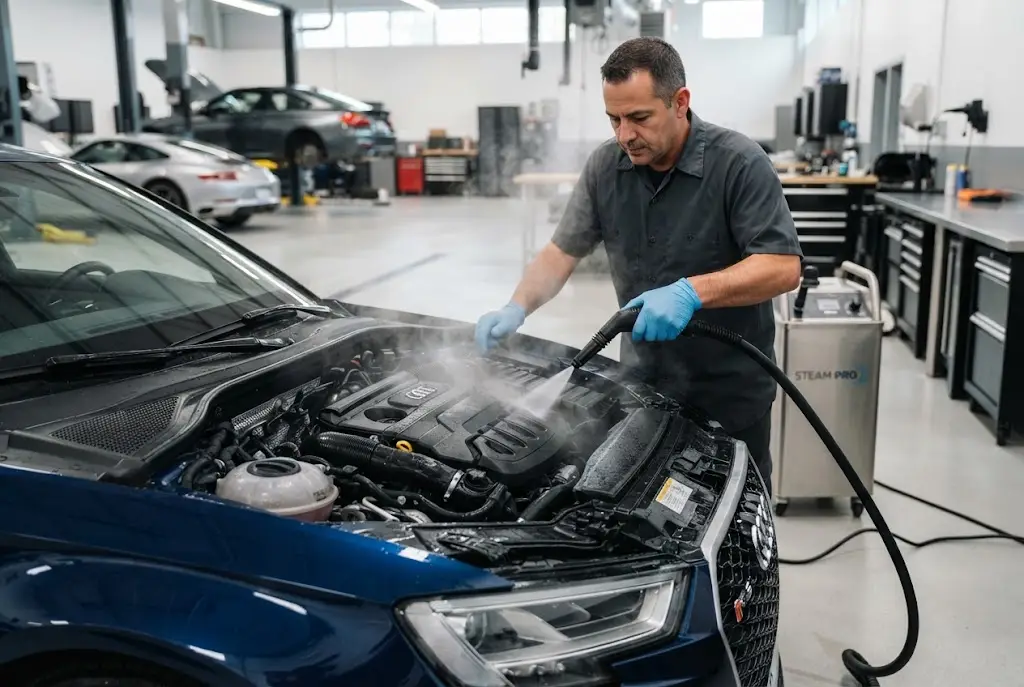
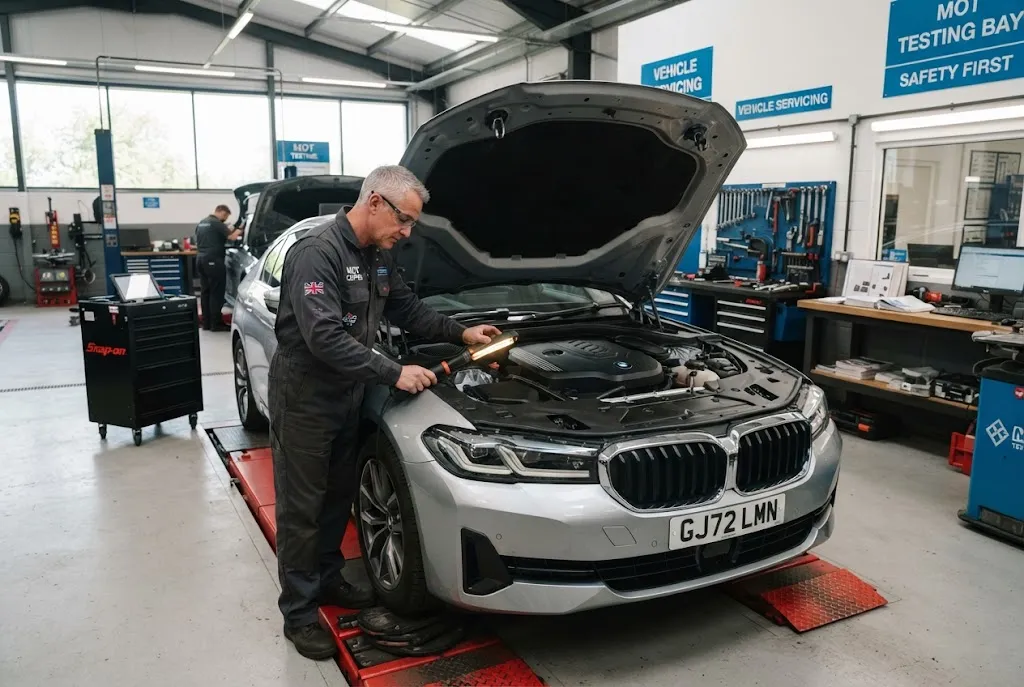
Understanding auto inspection services can make vehicle ownership less stressful, particularly when you need to determine whether a car is safe, roadworthy, or showing signs of a developing problem. A proper vehicle inspection can involve visual checks, safety assessments, diagnostic testing and a review of important components. However, different inspections have different purposes, so it is useful to understand what each one actually tells you.
For UK drivers, an inspection may be part of an MOT, a pre-purchase assessment, routine maintenance or a diagnostic investigation. Knowing the difference helps you choose the right service rather than paying for checks that do not answer the problem you have.
What Are Auto Inspection Services?
Auto inspection services are professional checks carried out to assess a vehicle’s condition, safety and, where applicable, compliance with required standards. The scope can vary considerably. A basic inspection may focus on visible faults, while a more detailed assessment can examine brakes, tyres, suspension, steering, electrical systems and other important components.
It is also important to distinguish an inspection from routine servicing. An MOT, for example, checks specific parts of a vehicle against legal standards but does not amount to a complete mechanical health assessment. GOV.UK explains that an MOT does not cover the condition of the engine, clutch or gearbox.
This distinction matters when comparing auto care services with formal safety inspections. One is not automatically a substitute for the other.
Why Vehicle Inspection Matters
Regular vehicle inspection can help identify problems before they become more expensive or create a safety risk. Drivers often notice obvious symptoms such as unusual noises, warning lights, vibration or uneven tyre wear, but some defects can develop without producing an immediate warning.
A structured inspection gives technicians an opportunity to look at components that may not receive attention during everyday driving. This is particularly useful before buying a used vehicle, after a significant repair, before a long journey or when a car starts behaving differently.
Inspection findings can also support better vehicle servicing timelines. Instead of relying entirely on assumptions about when work is needed, owners can use inspection results alongside manufacturer recommendations and existing service records.
What Does a Vehicle Inspection Check?
The exact inspection process depends on its purpose. However, common vehicle checks can include several important areas.
Brakes and Steering
Brakes and steering are central to vehicle control. An inspection may look at visible brake condition, braking performance, steering components and signs of excessive wear. The UK’s official MOT inspection guidance includes brakes and steering among the areas assessed during an MOT.
These checks are particularly important if a driver reports pulling to one side, unusual braking behaviour, steering vibration or changes in pedal feel.
Tyres, Wheels and Suspension
Tyres can affect braking, handling and overall road safety. Inspection work may consider tread, condition, damage and security, while suspension checks can help identify worn or damaged components.
Basic vehicle care should also include regular tyre checks between professional inspections. GOV.UK advises drivers to make sure tyres have the correct tread depth and are free from cuts and defects.
Lights, Visibility and Windscreen
Lights, mirrors, windscreen condition, wipers and washers can all affect visibility and communication with other road users. These areas are therefore common parts of formal safety inspections.
A small problem such as a defective light or damaged windscreen should not automatically be treated as a minor inconvenience. Depending on the fault and its location, it can affect safety or result in an MOT defect.
Body, Structure and Exhaust
Inspectors can also assess relevant bodywork, structural areas, exhaust components and attachments. Corrosion is particularly important where it affects structural integrity or the security of components.
The purpose is not simply to judge how attractive a vehicle looks. An inspection focuses on whether defects could affect safety, security or required standards.
Safety Inspections vs Diagnostic Inspections
One of the most useful inspection facts for drivers is that a safety inspection and a diagnostic inspection are not necessarily the same thing.
A safety inspection is primarily concerned with physical condition and roadworthiness. It can identify issues involving tyres, brakes, lights, steering, suspension, bodywork and other components.
A diagnostic inspection is more focused on identifying electronic or system-related faults. Modern vehicles contain numerous control units and sensors, meaning a warning light may require specialist diagnostic equipment to determine the underlying cause.
For example, an illuminated dashboard warning may not reveal the exact component that has failed. A diagnostic check can help retrieve relevant fault information and guide further investigation.
This is why mobile auto service can be useful for some diagnostic or repair situations, particularly when a vehicle cannot easily be driven to a workshop.
How the Inspection Process Usually Works
The inspection process normally begins with an explanation of the customer’s concern and the reason for the inspection. A technician can then identify the appropriate checks rather than treating every vehicle problem in exactly the same way.
The vehicle may undergo a visual examination followed by more detailed checks of relevant systems. Depending on the service, this can include lifting the vehicle, testing components, checking fluid-related issues or connecting diagnostic equipment.
Once the assessment is complete, the findings should be explained clearly. A good inspection should distinguish between defects that need immediate attention, items that should be monitored and components that appear to be functioning normally.
For owners planning future maintenance, inspection findings can be considered alongside a maintenance schedule and previous service records.
Understanding Inspection Reports
Inspection reports can be particularly valuable because they provide a written record of what was checked and what was found. This can help an owner understand recommended repairs and keep track of developing issues.
A useful report should make it reasonably clear which components were inspected, what defects were identified and whether further action is recommended. If a vehicle is being considered for purchase, the report can also provide useful information for comparing its condition against the asking price.
Inspection documentation should not be confused with proof that every mechanical component is perfect. The usefulness of a report depends on the scope of the inspection that was actually performed.
Auto Inspection Services Before Buying a Used Car
A pre-purchase inspection can be worthwhile when buying a used vehicle, especially when the buyer does not have the technical knowledge to assess the car independently.
It can help identify visible defects, signs of wear and potential concerns that may not be obvious during a short test drive. Buyers can then make a more informed decision about whether to proceed, negotiate or investigate a particular issue further.
Inspection costs should also be considered alongside the wider car service cost of owning an older vehicle. A cheaper purchase price does not necessarily mean lower ownership expenses if substantial maintenance is required shortly afterwards.
For a more complete picture, buyers can also consider the vehicle’s servicing history, MOT history, mileage and evidence of previous repairs.
Inspection Statistics and What They Really Tell You
Drivers often search for inspection statistics to understand how frequently vehicles fail checks or which defects are common. Statistics can provide useful context, but they need to be interpreted carefully.
For example, an MOT result describes the outcome of a specific regulated test. It should not automatically be interpreted as a complete assessment of a vehicle’s mechanical condition.
The official Driver and Vehicle Standards Agency guidance explains the areas covered by the MOT inspection, including brakes, steering, visibility, lights, tyres, suspension, bodywork, seat belts and emissions. The precise requirements depend on the vehicle and the applicable test rules.
This makes official inspection data more useful when it is considered alongside broader maintenance statistics and real-world vehicle ownership information.
How Often Should You Have a Vehicle Checked?
There is no single inspection frequency that suits every vehicle. The appropriate schedule depends on the vehicle’s age, mileage, condition, usage and manufacturer recommendations.
An annual MOT may be legally relevant for eligible vehicles, but it should not be treated as the only time a car needs attention. GOV.UK states that drivers remain responsible for ensuring their vehicle is roadworthy even when it has a current MOT certificate.
Routine checks between professional appointments can therefore play an important role. Owners should pay attention to tyre condition, lights, fluid levels, warning lamps, brakes and unusual changes in vehicle behaviour.
Those checks can work alongside a planned vehicle servicing timeline rather than replacing it.
When Should You Book an Inspection?
There are several situations when professional auto inspection services may be especially useful. These include buying a used car, preparing for a long journey, investigating an unexplained warning light, checking a vehicle after an accident or assessing a car that has developed unusual noises or handling problems.
An inspection can also be sensible when a vehicle has been standing unused for an extended period. Components such as tyres, brakes, batteries and fluids may require attention depending on how long the car has been off the road.
For drivers who need assistance away from a traditional workshop, mobile servicing options may provide another route for suitable inspections and repairs.
Making Inspection Results Part of Better Car Care
The greatest value of an inspection comes from acting on the information it provides. If a technician identifies a safety-critical problem, delaying the necessary repair can increase risk. If an issue is minor but developing, recording it can help with future maintenance planning.
Keeping inspection reports, invoices and service records together also makes it easier to understand a vehicle’s ownership history. This can become especially useful when calculating servicing costs or preparing to sell the vehicle.
Good vehicle ownership is therefore less about waiting for a major fault and more about combining regular checks, sensible maintenance and timely professional inspections.
Final Thoughts on Vehicle Inspection
Vehicle inspections provide valuable information about a car’s condition, but the type of inspection matters. An MOT focuses on defined legal and safety requirements, while a diagnostic inspection can investigate electronic faults and a broader condition assessment can reveal maintenance concerns.
Understanding these differences helps drivers choose the right service for the situation. By combining professional auto inspection services with routine vehicle checks, scheduled servicing and clear inspection reports, motorists can make better decisions about safety, repairs and long-term ownership.
For further reading, explore our guides on auto care services, car service cost, mobile auto service and the vehicle servicing timeline to build a broader understanding of vehicle maintenance and servicing.
For official information about what is checked during an MOT, drivers can consult the GOV.UK MOT guidance, which explains the test scope and the standards applied to important vehicle components.