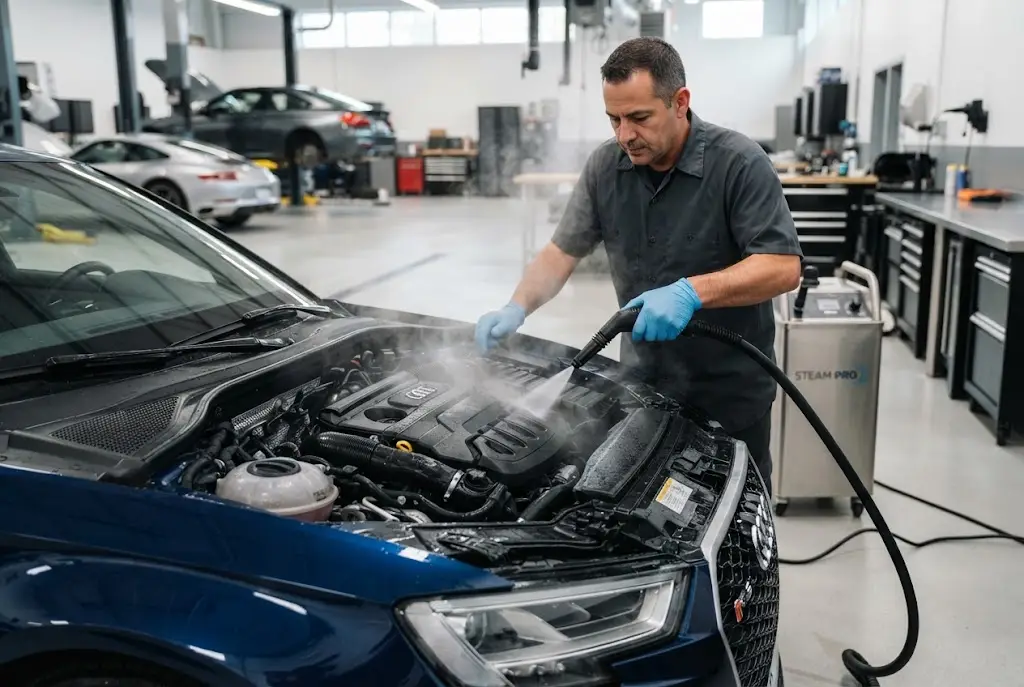
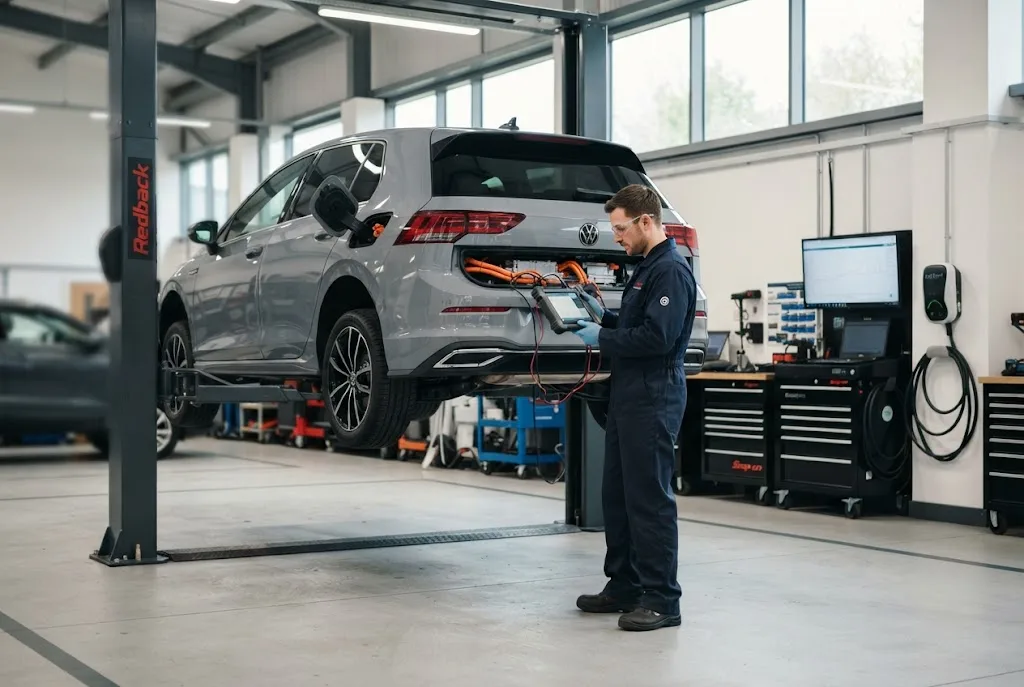
Hybrid services are becoming an increasingly important part of the UK automotive aftermarket as more drivers choose hybrid, plug-in hybrid and battery electric vehicles. These vehicles have different powertrains and maintenance requirements from conventional petrol and diesel cars, creating new demands for garages, technicians and vehicle owners.
The growth is measurable. SMMT data shows that 2025 UK new-car registrations included 473,348 battery electric vehicles, while hybrid electric vehicles accounted for 13.9% of the new-car market and plug-in hybrids accounted for 11.1%. By 2026, electrified registrations had continued to increase, highlighting the growing importance of specialist servicing and maintenance capabilities.
Understanding how EV servicing differs from conventional maintenance can help vehicle owners choose appropriate technicians and plan for the long-term care of their cars.
What Are Hybrid Services?
Hybrid services cover maintenance, diagnostics and repair work for vehicles that combine an internal combustion engine with an electric motor and battery system. The exact work required depends on whether the vehicle is a conventional hybrid, plug-in hybrid or another electrified powertrain.
A conventional hybrid typically uses petrol and electric propulsion without requiring the driver to plug the vehicle into an external charger. A plug-in hybrid can be connected to an external power source and generally has a larger battery system. A battery electric vehicle, by contrast, uses electric propulsion without an internal combustion engine.
These differences affect maintenance requirements. A hybrid may still require engine-related servicing, while a fully electric vehicle does not need conventional engine oil changes because it has no internal combustion engine.
How EV Servicing Differs From Conventional Maintenance
Electric vehicle maintenance can involve many familiar vehicle components, but the powertrain itself is different. EVs still have tyres, brakes, suspension, steering systems, lights, heating and cooling equipment and other components that require inspection.
The absence of a conventional engine changes the servicing routine. There is no engine oil or conventional oil filter to replace, and certain engine-related maintenance tasks do not apply.
However, EVs introduce their own technical considerations. High-voltage systems, battery packs, charging equipment and electric drive components require appropriate knowledge and safety procedures.
This means motorists should check that a garage has the necessary equipment and technician expertise before arranging specialist electric vehicle work.
Why EV Mechanics Need Specialist Knowledge
Electric vehicles contain high-voltage electrical systems that are fundamentally different from the systems found in conventional petrol and diesel vehicles. Working safely around these systems requires appropriate training, procedures and equipment.
EV mechanics may need to diagnose electrical faults, inspect charging systems, assess battery-related problems and work with vehicle-specific diagnostic software.
Not every independent garage will necessarily provide the same level of EV capability. Before booking work, owners should ask whether the workshop is equipped to work on their particular vehicle and whether technicians have appropriate training for the relevant powertrain.
This is especially important when a problem involves the high-voltage battery, charging system or electric drive unit rather than routine components such as tyres or brakes.
Electric Vehicle Maintenance Requirements
Electric vehicle maintenance is not maintenance-free. Although the electric powertrain can reduce the number of conventional engine components requiring servicing, other parts of the vehicle still need regular attention.
Tyres remain important because vehicle weight, torque delivery and driving conditions can influence tyre wear. Brake components also require inspection, even though regenerative braking can change how frequently conventional friction brakes are used.
Suspension, steering, lights, windscreen equipment, cabin filters and cooling systems may also require inspection or replacement according to the vehicle manufacturer’s maintenance recommendations.
Owners should therefore follow the servicing schedule provided for their specific vehicle rather than assuming that an EV does not require regular maintenance.
Hybrid Vehicle Maintenance
Hybrid vehicles combine two forms of propulsion, so their maintenance requirements can involve both conventional automotive systems and electric components.
A hybrid may still require engine oil, filters and other combustion-engine maintenance. At the same time, the electric motor, battery system and associated electronics require appropriate diagnostic and inspection procedures.
Regenerative braking can also affect brake usage. However, reduced brake wear does not mean the braking system should be ignored. Brake discs, pads, callipers and associated components still need appropriate inspection.
The maintenance schedule supplied by the manufacturer is therefore the best starting point for determining what a particular hybrid requires.
Battery Servicing and Battery Health
The high-voltage battery is one of the most important components in an electrified vehicle. Battery systems are designed to operate over many years, but their condition can change with age, mileage, usage patterns and environmental conditions.
Battery servicing does not necessarily mean replacing the battery. Depending on the issue, technicians may investigate charging behaviour, diagnostic codes, cooling systems, electrical connections or battery management information.
For used EV and hybrid buyers, understanding battery condition can be particularly important. A professional inspection may provide additional information about the vehicle beyond its MOT history and visible condition.
Drivers considering broader auto inspection services can therefore consider whether an EV or hybrid-specific assessment is appropriate before purchasing a used vehicle.
EV Adoption Is Changing the Service Market
The expansion of electrified vehicles is changing the UK automotive market. According to SMMT data, 2025 saw 2,020,520 new cars registered in the UK, including 473,348 battery electric vehicles. BEVs represented 23.4% of the market that year, while HEVs and PHEVs added further electrified registrations.
More recent SMMT data shows that the transition continued during 2026. Year-to-date figures available for August 2026 recorded 355,746 BEV registrations, up 28.6% compared with the corresponding 2025 period. HEV registrations reached 194,327, while PHEV registrations reached 185,198.
These figures are registration statistics rather than direct measurements of servicing demand. However, a growing population of electrified vehicles naturally increases the number of vehicles requiring technicians with relevant skills and equipment.
EV Market Growth and the UK Vehicle Fleet
The shift toward electrification is also visible in the wider vehicle parc. SMMT reported that the UK vehicle fleet reached 42.55 million vehicles in 2025, including 36.68 million cars. The organisation reported 1.9 million zero-emission vehicles in use and 4.6 million electrified vehicles.
The average age of the car fleet also reached 9.7 years, while 45.7% of cars were more than 10 years old. This creates an interesting aftermarket environment: newer vehicles are increasingly electrified, while a substantial portion of the existing fleet continues to require conventional servicing and repair.
As a result, garages may need to maintain expertise across several powertrain technologies rather than moving immediately from traditional vehicles to EV-only services.
What to Look for in an EV or Hybrid Garage
Choosing the right garage starts with identifying the type of work required. Basic maintenance such as tyres or some conventional mechanical work may not require specialist EV expertise, while high-voltage electrical repairs generally do.
Before booking an appointment, ask whether the garage:
- Works regularly with the specific vehicle make and model.
- Has appropriate EV or hybrid diagnostic equipment.
- Has technicians trained to work safely with high-voltage systems.
- Can diagnose charging and battery-related faults.
- Can provide a clear explanation of the work and expected costs.
- Follows the vehicle manufacturer’s maintenance requirements where applicable.
A garage’s ability to explain the problem clearly is also useful. Customers should understand whether a recommendation relates to routine maintenance, a diagnostic finding or a confirmed component failure.
Hybrid Services and Routine Vehicle Testing
Electrified vehicles still need to meet applicable roadworthiness requirements. An MOT remains separate from routine servicing, and passing an MOT does not mean that every maintenance requirement has been completed.
Hybrid vehicles can have additional considerations because they contain both combustion and electric systems. Battery electric vehicles have different powertrain characteristics, but they still require inspection of many conventional safety-related components.
Understanding the difference between testing and servicing is therefore important for EV and hybrid owners. Our guide to MOT and service explains why the two processes should not be treated as interchangeable.
Maintenance Costs for EVs and Hybrids
Maintenance costs vary significantly by vehicle, age, mileage, manufacturer and the type of work required. EVs can have fewer conventional powertrain components, but specialist diagnostic work or high-voltage repairs can involve different costs.
Hybrid vehicles may have both conventional engine maintenance and electrified-system requirements, making their servicing needs different from those of a pure battery electric vehicle.
When comparing prices, motorists should look beyond a headline service fee. Ask what is included, whether diagnostics are covered and whether any manufacturer-specific checks are required.
For context on wider UK maintenance pricing, see our guide to car service cost and the factors that influence servicing and repair expenses.
The Future of EV Mechanics in the UK
Continued growth in electrified vehicle registrations is likely to increase the importance of EV-specific technical skills across the automotive aftermarket. SMMT reported that 167 battery electric car models were available in 2026, compared with just 14 in 2016, demonstrating how quickly vehicle choice has expanded.
More vehicle models mean technicians may need broader knowledge of battery systems, charging technology, electric motors, thermal management and manufacturer-specific diagnostic procedures.
At the same time, the UK’s ageing conventional vehicle fleet means traditional mechanical expertise will remain relevant. The service market is therefore likely to involve a mixture of conventional, hybrid and fully electric vehicles for many years.
Understanding the Changing Hybrid Services Market
Hybrid services are becoming an important part of the UK’s changing automotive landscape. Increasing numbers of hybrid, plug-in hybrid and battery electric vehicles mean motorists need access to technicians who understand their specific maintenance and diagnostic requirements.
The available registration data shows that electrified vehicles are taking a larger role in the new-car market, while millions of conventional vehicles remain in use. This combination means the automotive service industry must support several powertrain technologies simultaneously.
For vehicle owners, the practical approach is to follow the manufacturer’s maintenance schedule, use suitably equipped technicians and distinguish between routine servicing, MOT testing and specialist diagnostic work.
As the UK vehicle fleet continues to evolve, reliable information about automotive statistics can help motorists understand broader ownership and market trends alongside practical maintenance guidance.
Sources used for current market figures include the Society of Motor Manufacturers and Traders’ UK electric vehicle registration data and vehicle fleet statistics. The registration figures describe new-vehicle market activity and should not be interpreted as direct measures of individual vehicle servicing requirements.