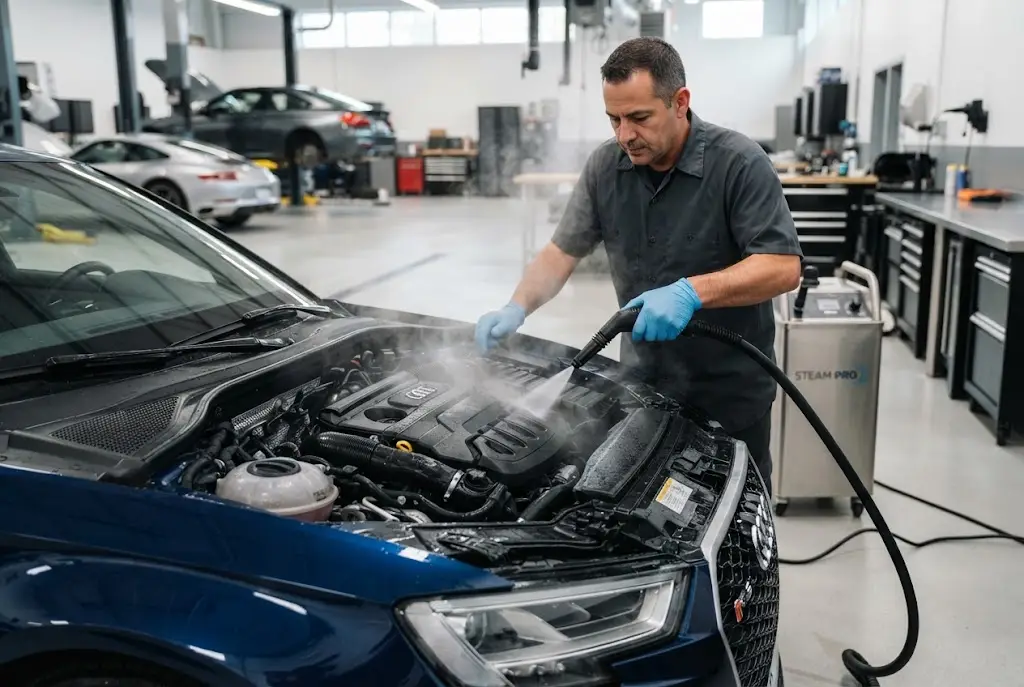
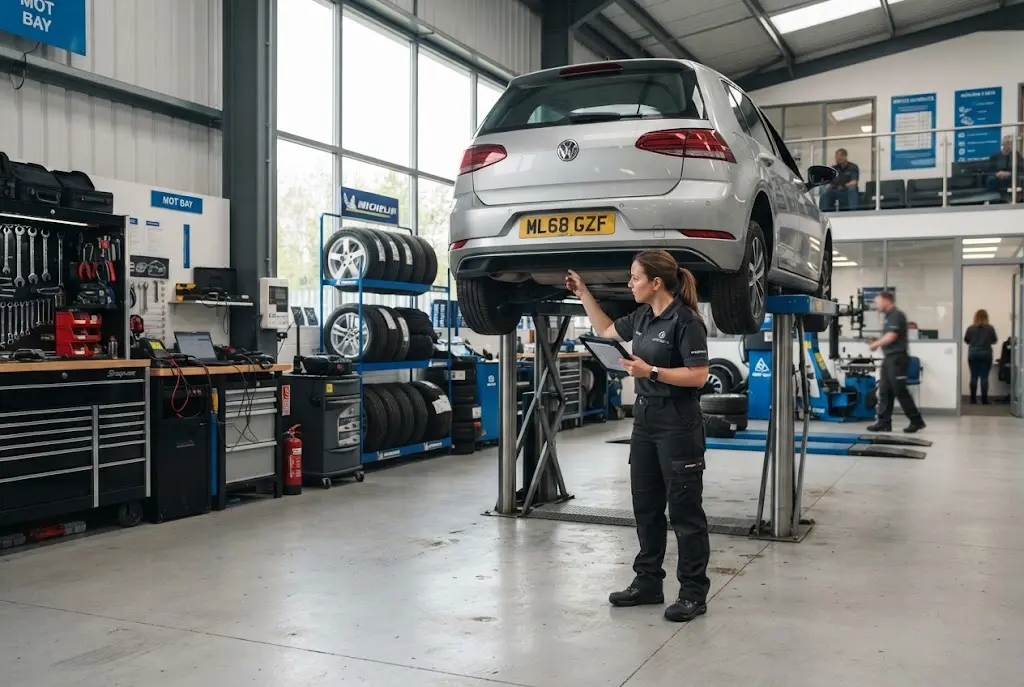
Auto care services are changing as UK motorists face different vehicle technologies, rising maintenance costs and growing expectations for convenience. Routine servicing, repairs, inspections, tyres, diagnostics and preventative maintenance remain essential, but the way drivers approach these services is evolving.
Recent UK motoring research highlights several important patterns. Drivers are increasingly concerned about maintenance costs, unexpected repairs and vehicle downtime, while garages are adapting to hybrid and electric vehicles, digital booking systems and more advanced diagnostic requirements. Understanding these auto care trends provides useful context for motorists and automotive businesses alike.
What Are Auto Care Services?
Auto care services cover the practical work required to keep vehicles safe, reliable and usable. Depending on the provider, this can include scheduled servicing, oil and filter changes, brake inspections, tyre services, battery checks, diagnostics, suspension work, air-conditioning maintenance and general repairs.
The sector also includes preventative work. A vehicle does not have to develop a serious fault before it needs professional attention. Routine inspections can identify worn components or developing problems that may otherwise become more expensive to resolve.
This broad range of services means customer demand is influenced by several factors, including vehicle age, mileage, driving conditions, ownership costs and the technology installed in the vehicle.
UK Auto Care Services Trends
The UK’s automotive aftermarket remains a substantial service ecosystem. The Society of Motor Manufacturers and Traders says the aftermarket supports more than 42 million vehicles and tens of thousands of workshops across the UK. Its 2025 aftermarket report estimated that the sector contributes approximately £17 billion to the UK economy and supports at least 339,000 jobs.
At the same time, the sector is undergoing technological change. SMMT identifies electrification, advanced driver assistance systems and connected vehicle technology as major developments that are reshaping the service and repair market.
This means auto care businesses increasingly need to combine traditional mechanical expertise with electronic diagnostics, specialist training and new workshop equipment.
Vehicle Care Habits Are Influenced by Cost
Cost has become an important factor in how motorists approach vehicle maintenance. Research published by the RAC in 2025 found that 76% of surveyed drivers said their maintenance and repair costs had increased over the previous year. The same research found that 25% considered servicing, maintenance and repairs, including tyres, their biggest financial concern associated with running a vehicle.
Cost pressures can affect maintenance behaviour. Earlier RAC research found that 19% of drivers surveyed in its 2024 Report on Motoring had delayed necessary repairs or reduced or stopped servicing because of cost.
For motorists, this creates a difficult balance. Delaying non-urgent work can reduce immediate spending, but allowing developing faults to continue can potentially result in more extensive repairs later. A sensible maintenance approach therefore involves following the manufacturer’s schedule while prioritising safety-critical problems.
Servicing Frequency and Customer Behaviour
There is no single servicing frequency suitable for every vehicle. Manufacturers establish schedules based on the specific model, engine or powertrain, mileage and time since the previous service.
Customer behaviour can nevertheless influence whether those schedules are followed. Some drivers arrange servicing as soon as it is due, while others wait longer because of cost, inconvenience or uncertainty about what work is actually required.
RAC research published in 2025 found that 27% of surveyed motorists considered getting their vehicle repaired or serviced a hassle. Among those who viewed it as a hassle, 68% identified the time involved in travelling to and from the garage as their biggest complaint.
These findings help explain why convenience has become an important part of the auto care market.
Customer Preferences Are Moving Towards Convenience
Drivers increasingly expect services to fit around their daily routines. Traditional garage visits can require dropping off a vehicle, arranging alternative transport and returning later to collect it. For some motorists, especially those living far from service centres, this can be inconvenient.
The RAC reported in 2025 that 35% of drivers who have their vehicles serviced or repaired travel five or more miles to a garage, rising to 48% among surveyed rural drivers.
This creates an opportunity for businesses that can reduce customer downtime. Online booking, digital estimates, collection and delivery services, and mobile servicing are examples of approaches designed around convenience.
Unexpected Repairs and Service Demand
Unexpected repairs remain a significant part of vehicle ownership. RAC research published in November 2025 found that 65% of surveyed drivers had experienced unexpected car repair costs during the previous year. The average repair bill reported in that research was £650.
Earlier RAC research identified tyres, brakes and suspension among the most common sources of unexpected repair expenditure.
These findings demonstrate why preventative maintenance remains relevant. Routine inspections cannot eliminate unexpected failures, but identifying wear earlier can give motorists more time to plan repairs rather than dealing with a sudden breakdown.
Maintenance Behaviour and MOT Advisories
MOT testing provides another indication of vehicle condition, although an MOT should not be treated as a replacement for routine servicing. The test focuses on whether a vehicle meets the applicable roadworthiness requirements at the time of testing.
Advisories can highlight areas that may require attention even when a vehicle has passed its MOT. RAC research published in 2025 found that 44% of surveyed drivers whose vehicles had recently undergone an MOT said the test resulted in one or more advisory notices. Of those drivers, 39% said they did not plan to resolve all the issues identified.
For motorists, understanding the difference between an MOT result and ongoing vehicle maintenance is important. A vehicle can pass an MOT while still benefiting from routine servicing and preventative care.
Car Care Statistics and Vehicle Technology
Technology is becoming one of the defining auto care trends in the UK. Modern cars can contain extensive electronic systems, sensors, cameras and driver-assistance features that require specialist diagnostic knowledge.
Electrification is particularly significant. SMMT reported in 2026 that the number of battery-electric vehicle models available to UK motorists had grown from just 14 in 2016 to more than 167.
This changing vehicle mix affects workshop requirements. Technicians may need training in high-voltage safety, electric drivetrains and manufacturer-specific diagnostic systems alongside conventional mechanical skills.
Consequently, future service demand will not simply be about maintaining the same vehicles in the same way. The nature of the work itself is changing.
How Vehicle Ownership Trends Affect Service Demand
The composition and age of the vehicle fleet can influence demand for auto care services. Older vehicles can require more attention to wear-related components, while newer vehicles may introduce sophisticated electronic systems and different powertrain requirements.
Longer vehicle ownership can also sustain demand for servicing and repair. When motorists keep an existing vehicle rather than replacing it, maintaining that vehicle becomes increasingly important to its continued usability.
This creates a diverse aftermarket in which conventional servicing, specialist repairs, diagnostics, tyre services, mobile maintenance and EV-related work can all coexist.
Digital Auto Care Services
Digital tools are changing how motorists interact with automotive businesses. Online booking can allow customers to select appointments without making a phone call, while digital inspection reports can help explain recommended work using photographs and written descriptions.
Transparent estimates and online communication can also help reduce uncertainty around repair costs. This is particularly relevant when consumers are already concerned about rising maintenance expenditure.
For workshops, digital systems can improve appointment management and customer communication. However, technology works best when it supports rather than replaces clear technical explanations and quality workmanship.
Auto Care Trends for Independent Garages
Independent garages have an important role in adapting to changing customer expectations. They may compete through specialist knowledge, local reputation, convenience, transparent communication or the ability to service a broad range of vehicles.
Investment in diagnostics and technician training is becoming increasingly important as vehicles become more sophisticated. SMMT’s aftermarket research highlights the need for the independent sector and manufacturers to work together so servicing and repair remain accessible as vehicle technology evolves.
At the customer level, the fundamentals remain familiar: motorists want competent work, reasonable transparency and a service experience that causes as little disruption as possible.
What These Auto Care Services Trends Mean for Drivers
The current data suggests that vehicle care is being shaped by three closely connected issues: cost, convenience and technology.
Maintenance costs are an increasing concern for many drivers. Unexpected repairs can create substantial financial pressure, while travelling to and from a garage can add inconvenience. Meanwhile, newer vehicles are introducing technical requirements that demand increasingly specialised skills.
For motorists, keeping servicing up to date, responding to safety-related issues and maintaining a clear service history remain practical ways to manage vehicle ownership. Comparing service options can also help when a vehicle requires significant work.
The Future of Auto Care Services in the UK
The UK auto care market is likely to become more diverse as vehicle technology continues to develop. Petrol and diesel vehicles will continue to require servicing and repairs, while hybrid and electric vehicles will increase demand for new technical skills and equipment.
Customer expectations are changing at the same time. Convenience, online booking, transparent pricing and reduced vehicle downtime are increasingly relevant to the service experience.
The result is an auto care market that combines established workshop practices with new service models. Garages that understand both the technical changes in vehicles and the practical needs of customers will be operating in an increasingly sophisticated aftermarket.
Understanding the Changing Auto Care Market
Current UK research shows that auto care is about more than repairing vehicles after they break down. Servicing, preventative maintenance, diagnostics, tyres, repairs and customer convenience all contribute to the wider market.
The industry’s scale, rising maintenance concerns and changing vehicle technology make auto care an important area of the UK’s automotive economy. For motorists, understanding these trends can make it easier to plan maintenance and compare service options. For businesses, the same trends highlight the importance of technical capability, customer service and adapting to changing demand.
This For more context, see our coverage of auto repair services statistics, auto service garage statistics and vehicle maintenance data. The upcoming coverage of mobile auto service statistics will further examine the growth of mobile servicing and changing customer demand.